
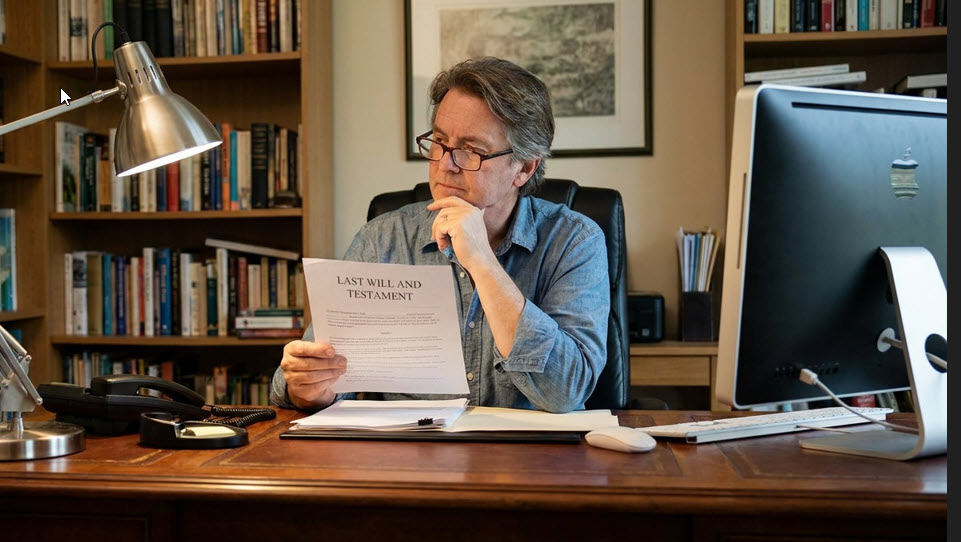
In Alberta, building a comprehensive estate plan is just the first step in protecting your family’s future. Ensuring that your estate documents remain current is equally critical.
When you initially draft a will, it reflects your life circumstances at that specific moment. However, as your life evolves, your will must be actively updated to guarantee that your assets are distributed exactly as you currently intend. This guide from the estate lawyers at Bosecke LLP explains how your will should evolve with your life, the Alberta laws governing will documents, and the steps to take to update your will.
Why Is Updating Your Will Necessary?
Generally, estate assets are those solely owned by you, and your will is the roadmap for the executor (referred to in Alberta as your Personal Representative) to distribute them.
If your will is outdated, it may leave out new family members, include individuals you no longer wish to benefit, or fail to account for newly acquired properties.
Failing to update your will can result in partial intestacy, where a portion of your estate is distributed according to provincial default rules rather than your wishes. Relying on an out-of-date will can also lead to estate litigation if family members feel they were unfairly excluded or if the terms of the outdated will are heavily disputed. That’s why so many Alberta families turn to estate planning lawyers for will updates.
When Should You Review and Update Your Will?
While a periodic review every few years is highly recommended, certain life milestones make an update essential:
- Marriage or Common-Law Partnerships
In Alberta, entering into an Adult Interdependent Relationship (common-law) or getting married alters your legal obligations. Unlike older laws, marriage no longer automatically revokes a prior will in Alberta.
If you do not update your will to include your new spouse, they may be forced to make a claim against your estate for family maintenance and support.
- Separation or Divorce
Under the Alberta Wills and Succession Act, if you are legally divorced, any gift left to your ex-spouse in your will is treated as if your ex-spouse predeceased you. However, this rule does not automatically apply to separations. For married couples who are separated but not legally divorced, your estranged spouse could still inherit under your old will unless you update it.
- Birth or Adoption of Children
You will want to update your document to name guardians for your minor children and establish trusts to manage their inheritance until they reach adulthood.
- Changes in Financial Status
When you start a business, inherit significant wealth, or purchase real estate, your will needs to address these new complex assets.
- Loss of an Executor or Beneficiary
If the person you named to administer your estate or receive your assets passes away, you must appoint alternates.
How Do You Legally Update Your Will in Alberta?
Updating your will involves precise legal steps. You cannot simply cross out a name on your original will and write in a new one. There are two primary legal avenues to update your will:
- Drafting a Codicil
A codicil is a secondary legal document that amends, adds to, or revokes specific clauses in your existing will. It must be signed and witnessed with the same legal formalities as the original will. Codicils are generally only recommended for very minor, simple changes, such as updating an executor’s legal name or address.
- Drafting a New Will
For anything more than a minor tweak, drafting a completely new will is the preferred legal strategy. A new will explicitly revokes all previous wills and codicils, creating a single, clean document. This eliminates the risk of contradictions between a codicil and an original will, making the probate process much smoother for your family.
The legal requirements for a valid will in Alberta are stringent.
A valid will must:
- Be written
- Signed by the testator
- Signed in the presence of two valid witnesses who are also present at the same time
If these formalities are not strictly followed, your updates could be entirely voided by the court.
Note: Alberta also recognizes holograph wills, which must be entirely handwritten and signed by the testator, requiring no witnesses, but informal documents often lead to probate disputes.
Do I Need an Estate Planning Lawyer to Help Update My Will?
An estate planning lawyer is not legally required to write a will. However, legal assistance ensures that your intentions are legally binding, taxes are minimized, and the risk of estate litigation is drastically reduced.
A lawyer will also help you navigate complex family dynamics, blended families, and corporate assets.
Update Your Alberta Will with the Estate Lawyers at Bosecke LLP

Bosecke LLP offers comprehensive estate planning services for Alberta residents. We help clients ensure their final wishes are fully protected under current provincial laws.
If you’re in the process of evaluating your estate and considering a will update, contact our offices today to schedule a consultation and secure your legacy.
Answers to Your Alberta Will Update Questions
Can I make handwritten changes to my will?
Yes, however, writing on, crossing out, or using correction fluid on your original typed will is highly discouraged.
Unverified alterations can cause the Surrogate Division of the Court of King’s Bench to reject the document during the probate process. All changes must be formally executed via a codicil or a new will.
Does getting married cancel my old will in Alberta?
Before 2012, marriage automatically revoked a will in Alberta. However, under the current Wills and Succession Act, marriage no longer revokes a will. It is critical that you proactively update your will to include your new spouse, as failing to do so can result in them having to sue your estate for adequate support.
What happens to my will if I get divorced?
If you finalize a legal divorce, Alberta law treats your ex-spouse as if they predeceased you for your will. They are automatically stripped of their role as executor and lose any gifts left to them in the document. However, this protection does not apply if you were previously married and are now separated, making an immediate update vital upon breakdown of the relationship.
Is my will from another province still valid if I recently moved to Alberta?
Generally, yes. If your will was validly executed according to the laws of the province or country where you lived at the time it was signed,
Alberta courts will typically recognize it. However, it is highly recommended that you have an estate lawyer review it. Alberta also has unique legislation regarding family maintenance and support claims, and your out-of-province will may not be optimized for local probate procedures.
How much does it cost to update a will?
The cost depends on the complexity of your assets and family dynamics, as well as whether you are doing a simple codicil or drafting a comprehensive new will.
Most law firms offer flat-fee packages for standard estate planning.
While there is an upfront cost, investing in a professionally drafted update is almost always less expensive than the legal fees and taxes your estate might face if your will is outdated or invalid.
Should I tell my executor or beneficiaries that I updated my will?
You are under no legal obligation to notify your beneficiaries about any changes to your will, nor do they have a right to see it while you are alive.
However, it is strongly advised that you inform your chosen Personal Representative (executor) that a new will has been drafted, confirm they are still willing to act in that role, and explicitly tell them where the new original document is securely stored.
Do I need to register my updated will with the government?
No. Alberta does not have a mandatory provincial will registry, and you are not required to register your will for it to be legally binding.
You can choose to register the location of your will with a private registry service (like the Canada Will Registry) to ensure your family and executor can easily track down the most current document when the time comes.
Can my Power of Attorney update my will if I lose mental capacity?
No. In Alberta, an Enduring Power of Attorney only grants your appointed agent the authority to manage your financial and legal affairs while you are alive. They absolutely cannot draft, amend, or revoke your Last Will and Testament.
It is critical to update your estate plan proactively while you still possess full legal and mental capacity (known as testamentary capacity).